Serengeti National Park Safari Planner: When to Go, Where to Stay, What to Pay
Why the Serengeti Wildebeest Migration is a Must-See?
What, When and Where?
Owned By:

About Serengeti National Park Safari
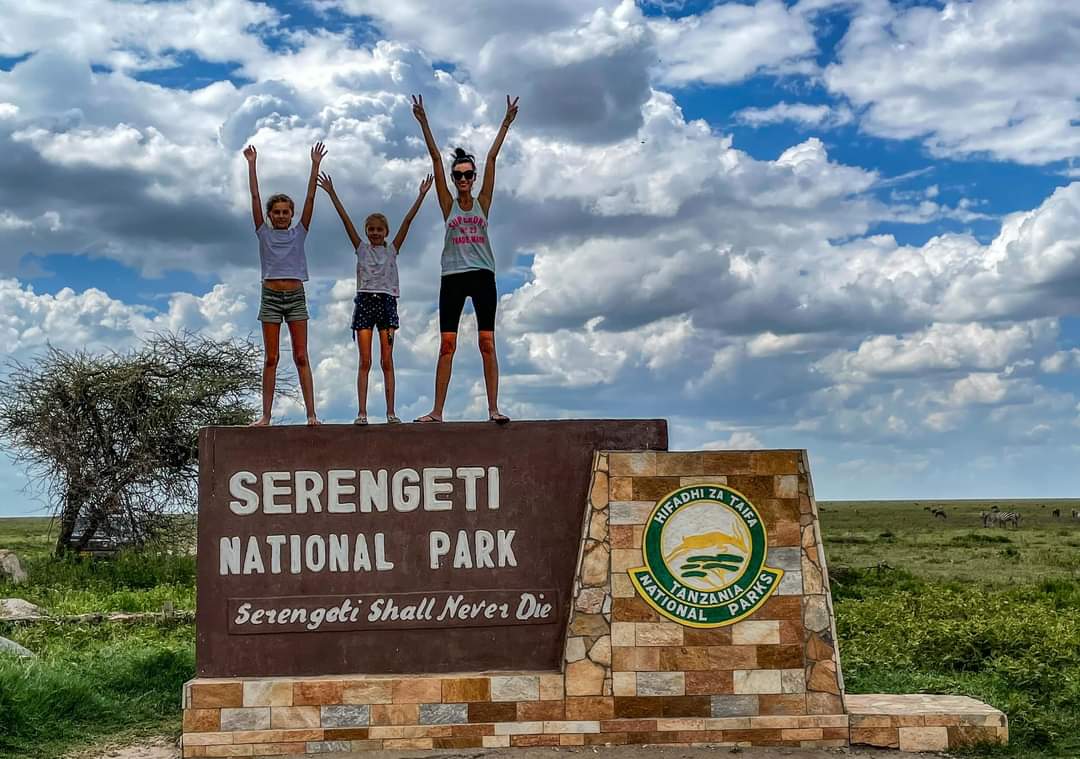
Serengeti National Park is the world’s most celebrated safari destination — a UNESCO World Heritage Site covering 14,763 square kilometres of endless golden savanna plains in northern Tanzania. The Serengeti defines the very concept of the African safari, and for good reason: it supports the greatest concentration of large mammals on Earth.
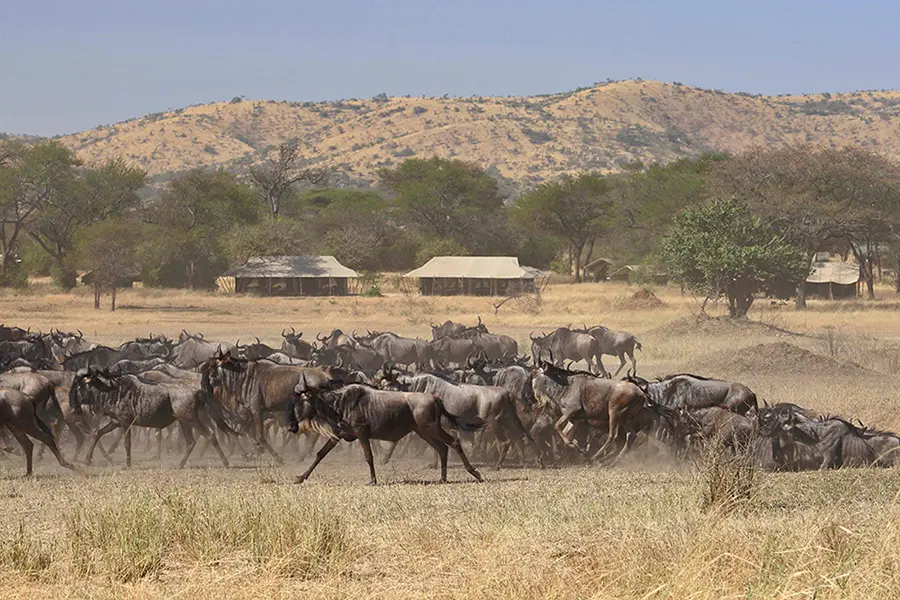
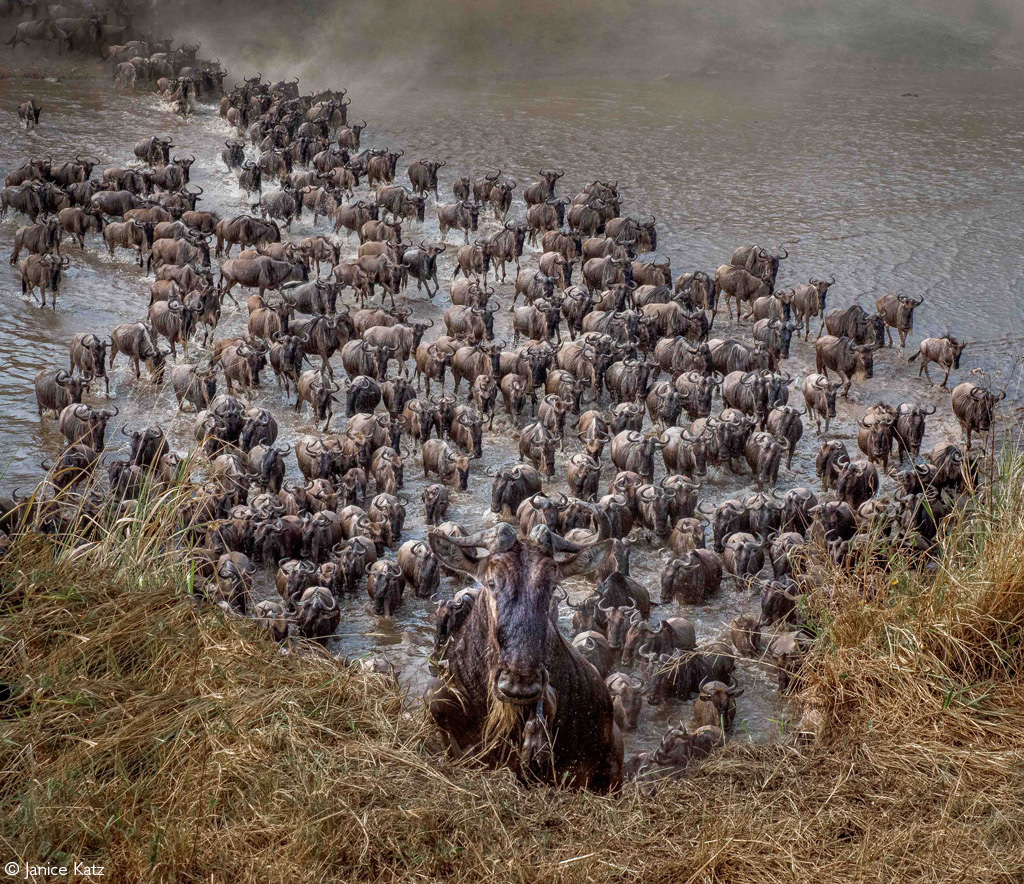
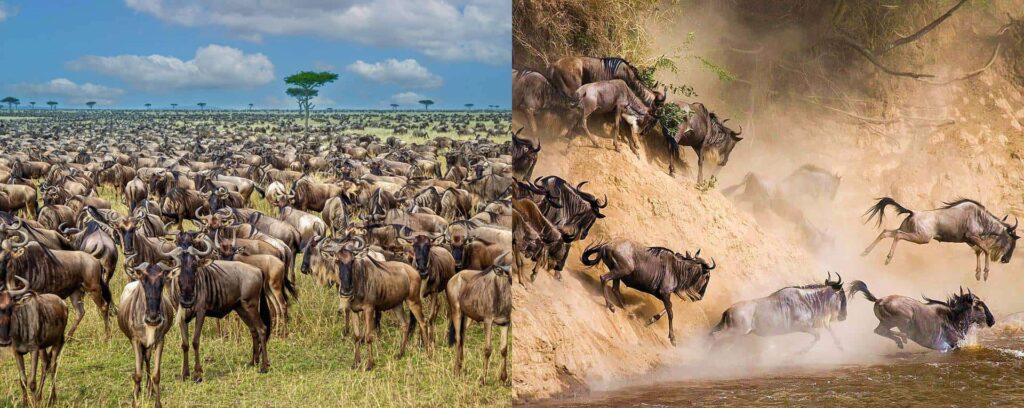
The Serengeti is home to the Great Wildebeest Migration — the largest animal migration on the planet. Over 1.5 million wildebeest and 500,000 zebra and gazelle follow the rains in an endless clockwise circuit across the Serengeti-Mara ecosystem. The dramatic Mara River crossings (July–October), where wildebeest plunge past waiting crocodiles, are among the most extraordinary wildlife spectacles anywhere.
Beyond the Migration, the Serengeti supports the Big Five, over 3,000 lions, exceptional leopard, cheetah, wild dog, hyena, and over 500 bird species. Private concessions surrounding the national park offer exclusive game drives and walking safaris in truly pristine wilderness.
Serengeti Wildebeest Migration Safari Guide – When, Where, and How to See the Great Migration
The Serengeti wildebeest migration is a continuous, circular journey across Tanzania’s Serengeti National Park and Kenya’s Maasai Mara Reserve. The Serengeti Great Migration is a year-round, clockwise, 800km journey of over 1.5 million wildebeest, zebras, and gazelles across Tanzania’s Serengeti and Kenya’s Masai Mara, driven by rain and grazing. Key events include the southern calving season (Jan-Mar), western corridor crossing (June), and dangerous Mara River crossings (July-Oct)Driven by the search for food and water, this migration is a lifeline for the Serengeti ecosystem. It ensures the regeneration of grasslands, enriches the soil with nutrients, and maintains the balance between predators and prey. It is often referred to as the “Greatest Show on Earth” due to its sheer scale and drama.
Key Highlights:
- 1.5 million wildebeest lead the migration.
- 250,000 zebras and 300,000 gazelles join the journey.
- The migration covers 800 kilometers annually.
- The cycle is driven by seasonal rains, ensuring fresh grazing lands.
Why Do Wildebeest Migrate?
The Serengeti wildebeest migration is fueled by three primary factors:
- Chasing Grass and Water: Wildebeest follow the rains to access nutrient-rich grass, moving from the Serengeti to the Maasai Mara and back.
- Competition for Grazing: Recent studies suggest intense competition between wildebeest, zebras, and gazelles for the best grazing spots.
- Safety in Numbers: Traveling in massive herds reduces the risk of predation by lions, hyenas, and crocodiles.
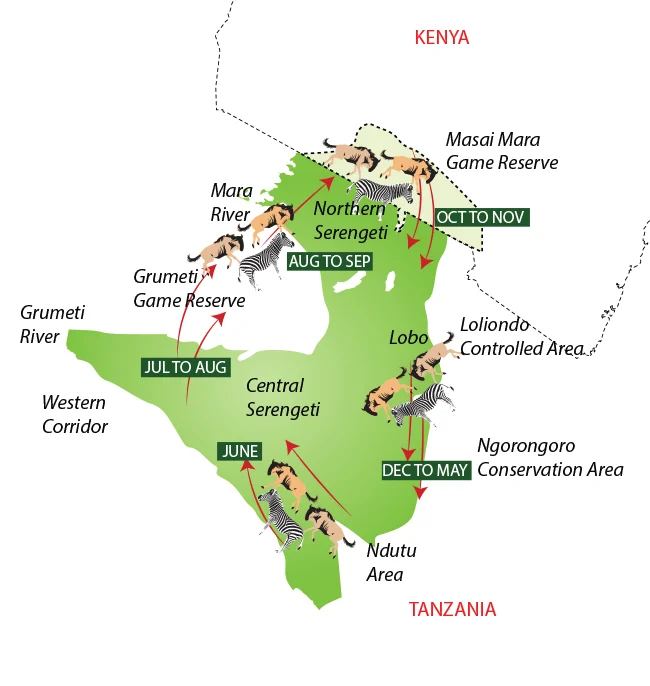
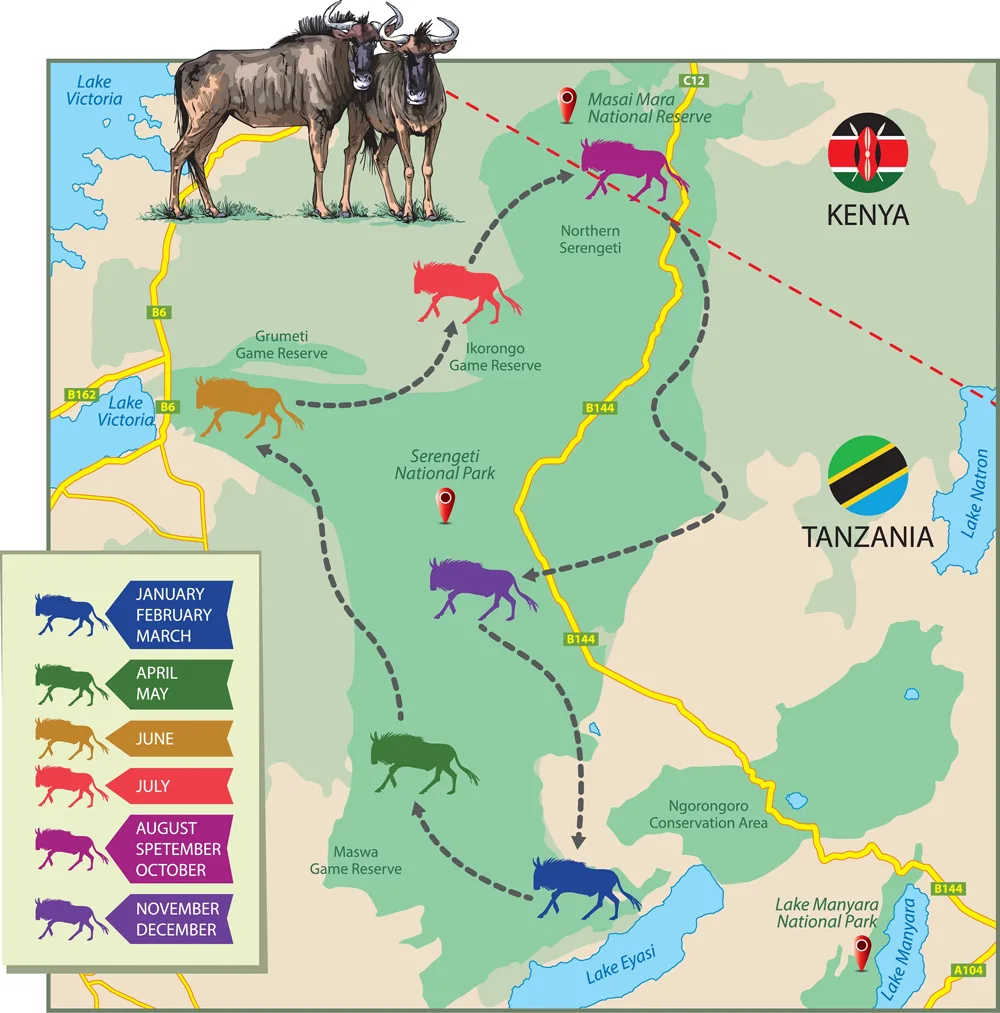
Serengeti wildebeest migration explained with moving map
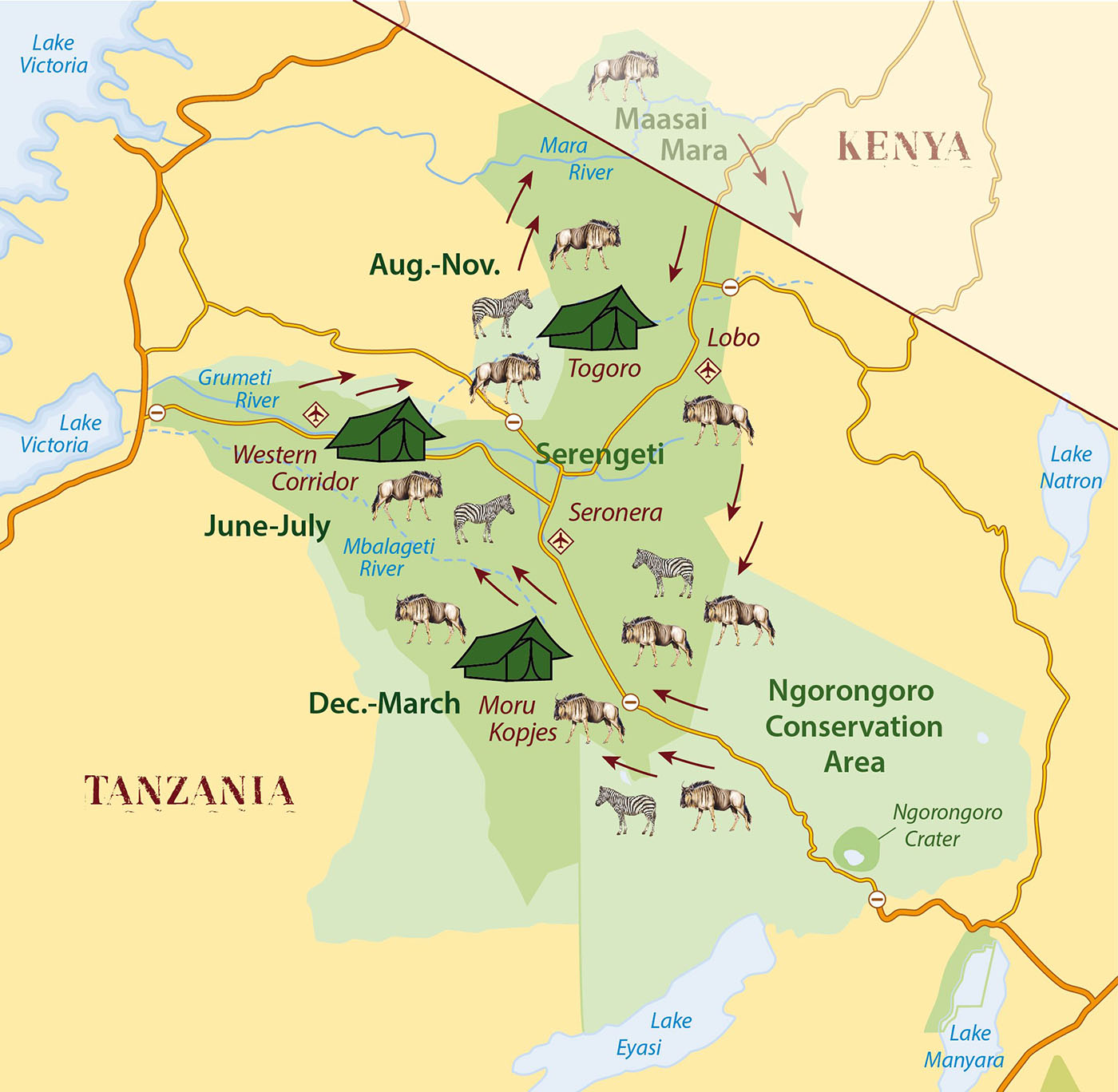
The Serengeti wildebeest migration follows a predictable, clockwise route:
December – April: Calving Season in the Southern Serengeti
- Location: Ndutu Plains, Southern Serengeti.
- Highlights: Over 500,000 wildebeest calves are born, attracting predators like lions and cheetahs.
May – June: Movement to the Western Corridor
- Location: Grumeti River, Western Serengeti.
- Highlights: Herds face perilous river crossings with Nile crocodiles.
July – August: Mara River Crossings
- Location: Northern Serengeti and Maasai Mara.
- Highlights: Dramatic river crossings with crocodile attacks.
September – October: Grazing in the Maasai Mara
- Location: Maasai Mara, Kenya.
- Highlights: Herds graze on lush grasslands, providing ample opportunities for predators.
November: Return to the Serengeti Plains
- Location: Location: Southern Serengeti.
- Highlights: Herds prepare for the next calving season.
BEST TIME TO SEE THE SERENGETI WILDEBEEST MIGRATION
The best time to see the Serengeti wildebeest migration depends entirely on what you want to witness. For the iconic Mara River crossings (the #1 event), visit July–October — especially August–September when 1.5 million wildebeest brave crocodile-infested waters. For the dramatic calving season with 500,000+ newborns and predator kills, visit January–March in Ndutu, southern Serengeti. The migration is a year-round phenomenon, but these two windows deliver the most spectacular, photographer-worthy moments on Earth.
The Great Wildebeest Migration in January
Calving Season in Southern Serengeti and Ndutu
Southern Serengeti, Ndutu Conservation Area, and Ngorongoro Conservation Area.
Warm and humid, with average highs of 81°F (27°C) and lows of 60°F (15°C).
Over 500,000 wildebeest calves are born during this period. Predators like lions, cheetahs, and hyenas are abundant, preying on vulnerable calves. Lush green landscapes perfect for photography.
The Great Wildebeest Migration in February
Calving Continues in Ndutu
Ndutu Conservation Area and southern Serengeti.
Similar to January, with average highs of 84°F (29°C) and lows of 61°F (16°C).
Calving peaks, with thousands of calves born daily. Predator action intensifies as big cats hunt newborn calves.
The Great Wildebeest Migration in March
Movement to Central Serengeti
Central Serengeti (Seronera region).
Warm, with temperatures ranging from 13°C (55°F) to 37°C (99°F).
Herds begin moving northward toward the central Serengeti. The long rains start, rejuvenating the grasslands.
The Great Wildebeest Migration in April
Grazing in Central Serengeti
Central Serengeti (Seronera and Moru Kopjes).
Wet and warm, with occasional rainfall.
Herds disperse across the central plains, grazing on fresh grass. Fewer tourists, making it a quieter time to visit.
The Great Wildebeest Migration in May
Western Serengeti and Grumeti River
Western Serengeti (Grumeti region).
Similar to April, with warm temperatures and occasional rain.
Herds move toward the Grumeti River, where the first river crossings occur. Crocodiles and predators await at the riverbanks.
The Great Wildebeest Migration in June
Northern Serengeti
Northern Serengeti.
Warm, with average highs of 32°C (90°F) and lows of 13°C (55°F).
Herds continue moving north toward the Mara River. Some herds may cross into the Masai Mara as early as late June.
The Great Wildebeest Migration in July
Mara River Crossings Begin
Northern Serengeti and Masai Mara.
Warm and dry, with temperatures ranging from 17°C (63°F) to 32°C (90°F).
The first Mara River crossings occur, with dramatic scenes of wildebeest plunging into the river. Predators and crocodiles create intense wildlife action.
The Great Wildebeest Migration in August
Peak Crossings in Masai Mara
Masai Mara (Kenya) and northern Serengeti.
Warm and dry, with temperatures up to 40°C (104°F) during the da
The Mara River crossings reach their peak, with thousands of wildebeest crossing daily. Herds spread across the Masai Mara, grazing on lush grasslands.
The Great Wildebeest Migration in September
Mating Season in Masai Mara
Masai Mara and northern Serengeti.
Similar to August, with warm and dry conditions
Wildebeest mating season begins, with intense competition among males. River crossings continue, though at a slower pace.
The Great Wildebeest Migration in October
Return to Serengeti
Northern Serengeti and Masai Mara.
Warm, with temperatures ranging from 17°C (63°F) to 32°C (90°F).
Herds begin moving back toward the Serengeti. The short rains start, rejuvenating the grasslands in the south.
The Great Wildebeest Migration in November
Movement to Central Serengeti
Central Serengeti (Seronera region).
Warm and wet, with temperatures up to 35°C (95°F).
Herds move southward through the central Serengeti. The landscape turns green and lush after the rains.
The Great Wildebeest Migration in December
Arrival in Southern Serengeti
Southern Serengeti and Ndutu.
Warm and wet, with temperatures ranging from 17°C (63°F) to 35°C (95°F).
Herds arrive in the southern Serengeti, preparing for the next calving season. The cycle begins anew.
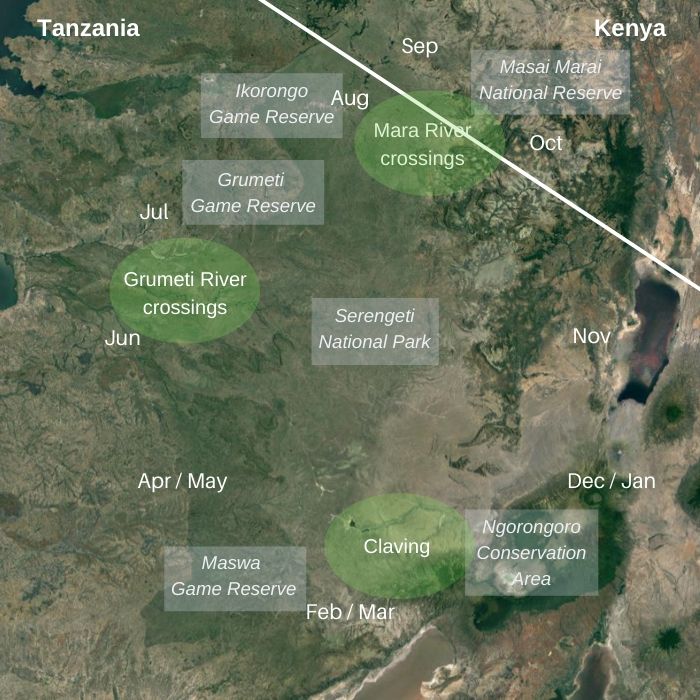
SERENGETI WILDEBEEST MIGRATION SAFARI — BEST TIME, ROUTES & RIVER CROSSINGS
A Serengeti wildebeest migration safari is a year-round wildlife journey covering 800+ kilometers across Tanzania and Kenya, involving more than 1.5 million wildebeest, zebras, and other wildlife. The best viewing periods include the calving season (Jan–Mar) in the southern Serengeti, Grumeti River crossings (May–Jun) in the western Serengeti, and the dramatic Mara River crossings (Jul–Oct) in the northern Serengeti and Maasai Mara. Safari options range from mobile camps to ultra-luxury lodges, with peak-season trips best booked 12–18 months in advance. Experience one of the greatest wildlife spectacles on Earth.
WHAT TO EXPECT ON A MIGRATION SAFARI (DAILY SAFARI LIFESTYLE)
A typical day on a Serengeti migration safari follows the rhythm of wildlife activity. Early mornings and late afternoons are the most rewarding game viewing times.
| Time | Activity |
|---|---|
| 5:30 AM – 6:00 AM | Wake-up call with coffee or tea at your tent |
| 6:30 AM – 12:00 PM | Morning game drive following wildlife movements |
| 12:30 PM – 2:00 PM | Lunch in the bush or at camp |
| 2:00 PM – 4:00 PM | Rest, relaxation, or swimming at camp |
| 4:00 PM – 6:30 PM | Afternoon/evening game drive |
| 7:30 PM onwards | Dinner, campfire, stargazing, overnight stay |
5-DAY/4-NIGHT SERENGETI WILDEBEEST MIGRATION SAFARI PACKAGES
A 5-day/4-night Serengeti wildebeest migration safari package is the best value-for-money option for travelers who want to witness the Great Migration without committing to a full week. Priced from USD 4,500 per person (mid-range) or USD 5,000–15,000+ (luxury), this package covers the most critical migration zones — Ndutu (calving), Seronera (Big Five), and Grumeti/North (river crossings) — in just 5 days. It includes internal flights, full-board accommodation, park fees, expert guides, and game drives, with optional add-ons like hot air balloon (USD 600),walking safari(USD 150), and night drives ($300). Book 6–12 months ahead for peak season (Jul–Oct).
Southern Serengeti (Ndutu area)
Witness thousands of wildebeest calves being born daily. Thrilling predator action as lions, hyenas, and cheetahs hunt the vulnerable newborns.
1-5 January:
○ Per person sharing: US$ 5,610
○ Solo traveler: US$ 7,860
6-31 January:
○ Per person sharing: US$ 4,780
○ Solo traveler: US$ 5,710
February-March:
○ Per person sharing: US$ 4,855
○ Solo traveler: US$ 6,840
Northern Serengeti (Mara River area)
Witness the dramatic Mara River crossings, where wildebeest brave crocodile-infested waters. Enjoy predator action as lions, leopards, and hyenas hunt along the riverbanks.
June::
○ Per person sharing: US$ 3,940
○ Solo traveler: US$ 4,825
July-September:
○ Per person sharing: US$ 6,015
○ Solo traveler: US$ 8,330
October:
○ Per person sharing: US$ 4,870
○ Solo traveler: US$ 5,755
7-DAY/6-NIGHT SERENGETI MIGRATION TOURS
A 7-day/6-night Serengeti migration tour is the gold-standard safari duration that takes you deep into the heart of the Great Migration — following wildebeest herds across Ndutu → Seronera → Grumeti → Northern Serengeti to witness river crossings, calving, predator kills, and the Big Five in their natural habitat. Priced from USD 7,000 per person, this immersive package includes private 4×4 game drives, full-board accommodation, internal flights, park fees, and expert guides — with optional add-ons like hot air balloon safaris (USD 600),walking safaris(USD 150), and night game drives ($300). It’s the #1 recommended duration by safari experts because it covers 3+ migration zones and guarantees at least 1 river crossing.
Witness thousands of wildebeest calves being born daily.
Thrilling predator action as lions, cheetahs, and hyenas hunt the newborns.
1-5 January:
○ Per person sharing: US$ 7,850
○ Solo traveler: US$ 9,950
6-31 January:
○ Per person sharing: US$ 6,920
○ Solo traveler: US$ 8,450
February-March:
○ Per person sharing: US$ 7,100
○ Solo traveler: US$ 9,200
Witness the dramatic Mara River crossings, where wildebeest brave crocodile-infested waters. Predator action as lions, leopards, and hyenas hunt along the riverbanks.
June:
○ Per person sharing: US$ 6,500
○ Solo traveler: US$ 7,800
July-September:
○ Per person sharing: US$ 8,200
○ Solo traveler: US$ 10,500
October:
○ Per person sharing: US$ 6,800
○ Solo traveler: US$ 8,100
7-DAY/6-NIGHT HIGH-END LUXURY SERENGETI MIGRATION SAFARI
A 7-day/6-night high-end luxury Serengeti migration safari is the ultimate way to experience the Great Wildebeest Migration in absolute comfort. Priced from USD 15,000–25,000+ per person, this exclusive package covers the full migration cycle — from Ndutu calving grounds (Jan–Mar) to the iconic Mara River crossing (Jul–Oct) — with private guides, luxury lodges, hot air balloon safaris, bush dinners under the stars, and unparalleled wildlife access. It includes all meals, internal flights, park fees, game drives, and premium experiences like walking safaris and photography sessions. Book 12–18 months ahead for peak season (Jul–Oct).
Witness the dramatic Mara River crossings, where wildebeest brave crocodile-infested waters. Predator action as lions, leopards, and hyenas hunt along the riverbanks. Stay at Singita’s luxurious lodges, offering exclusive access to prime migration viewing locations. Enjoy private game drives, guided walks, and bespoke safari experiences.
July:
○ Per person sharing: US$ 15,000
○ Solo traveler: US$ 18,500
August-September (peak season):
○ Per person sharing: US$ 17,500
○ Solo traveler: US$ 21,000
October:
○ Per person sharing: US$ 14,000
○ Solo traveler: US$ 16,800
Serengeti Wildlife: Animals You'll See
The Serengeti wildebeest migration is not just about the wildebeest—it’s a complex ecosystem involving a diverse array of species. From the wildebeest leading the charge to the predators that follow, each plays a vital role in this natural spectacle. Here’s a closer look at the key wildlife involved in the Great Migration. Serengeti National Park wildlife includes over 70 large mammal species and 500+ bird species, making it one of the most biodiverse ecosystems on the planet.
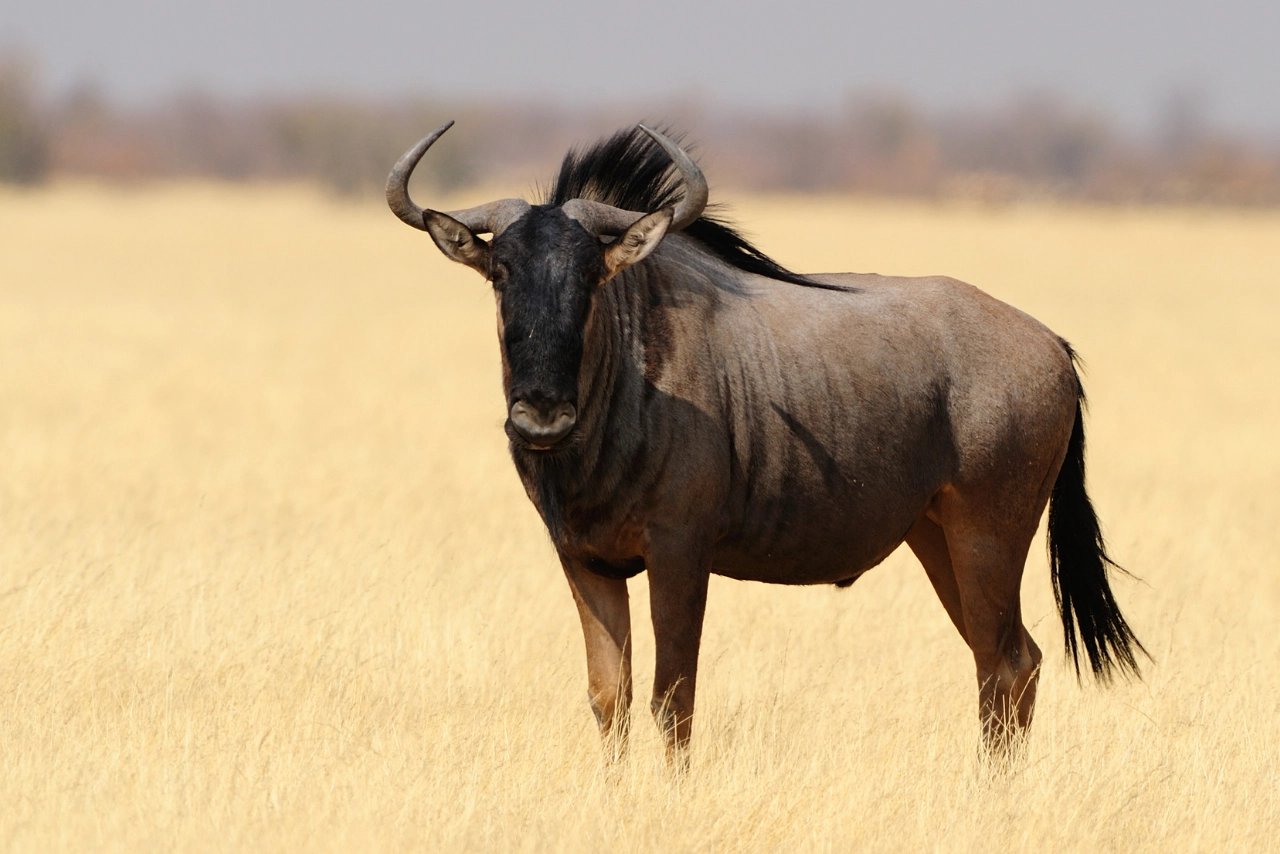
Wildebeest: The Main Actors
Wildebeest, often called the “clowns of the savannah” due to their quirky appearance, are the driving force behind the Great Migration.
Their mass movement is essential for the Serengeti ecosystem:
- Role in the Ecosystem: Prevent overgrazing by constantly moving, allowing grasslands to regenerate.
- Nutrient Cycling: Their dung enriches the soil, promoting plant growth.
- Landscape Shaping: Their movement creates opportunities for other species to thrive.
With over 1.5 million wildebeest participating in the migration, they are the undisputed stars of this natural phenomenon.
Other Migrating Species
Zebras
- Role: Zebras graze on tougher grasses, clearing the way for wildebeest to feed on tender shoots.
- Migration Pattern: They migrate alongside wildebeest but in smaller numbers (around 250,000).
- Contribution: Their grazing habits create a harmonious balance, sustaining the Serengeti’s grasslands.
- Role: Smaller and more agile, gazelles follow the migration route, avoiding predators with their speed.
- Migration Pattern: Around 300,000 Thomson’s gazelles join the migration.
- Contribution: They add to the biodiversity of the ecosystem, supporting predator populations.
Predators and the Migration
The Great Migration is a feast for predators, providing ample opportunities to hunt and thrive.
- Behavior: Lions closely follow the migration, targeting weak or vulnerable individuals.
- Impact: The abundance of prey during the migration fuels the health and growth of lion prides.
- Key Fact: Known as the “kings of the Serengeti,” lions are a dominant force in the ecosystem.
- Behavior: Cheetahs prefer open plains, using their speed to hunt fast-moving prey like gazelles.
- Impact: The migration season offers cheetahs ample hunting opportunities.
- Key Fact: Cheetahs are solitary hunters, relying on stealth and speed.
- Behavior: Opportunistic and intelligent, hyenas are active during the calving season.
- Impact: They prey on wildebeest calves and scavenge carcasses left by larger predators.
- Key Fact: Hyenas are both predators and scavengers, playing a dual role in the ecosystem.
The Mara and Grumeti rivers are infamous for their large populations of Nile crocodiles, which lie in wait for the migrating herds. These river crossings are some of the most perilous moments of the migration:
- Danger: Crocodiles ambush wildebeest and zebras as they cross, creating dramatic scenes of life and death.
- Impact: Many wildebeest and zebras fall prey to crocodiles during these crossings.
- Key Fact: The river crossings are a highlight of the migration, showcasing the harsh realities of survival in the wild.
The Serengeti wildebeest migration is a perfect example of nature’s interconnectedness:
- Wildebeest: Drive the migration, shaping the landscape and supporting other species.
- Zebras and Gazelles: Complement the wildebeest by grazing on different types of grass.
- Predators: Rely on the migration for food, maintaining the balance between prey and predator populations.
- Crocodiles: Act as a natural barrier, culling weak individuals and ensuring the survival of the fittest.
Serengeti National Park Safari Geography
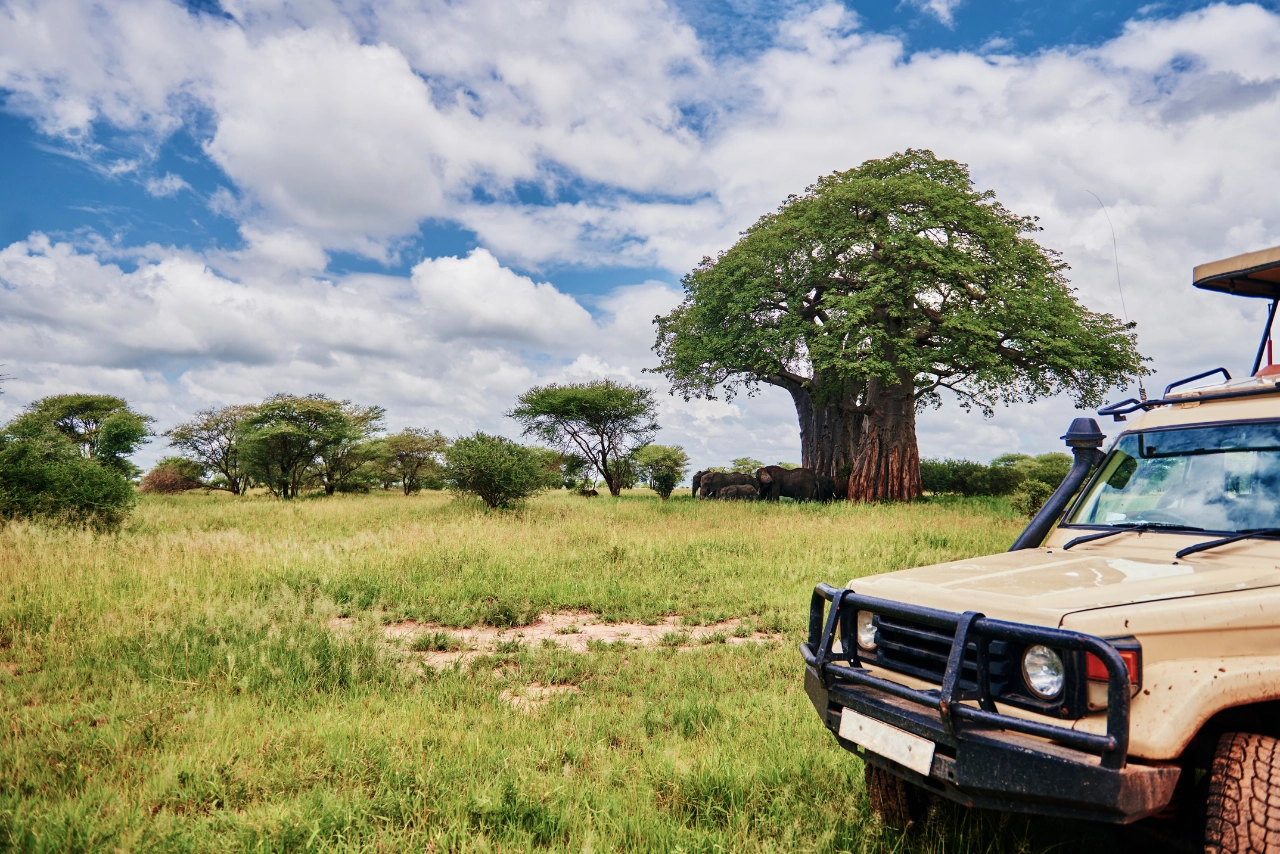
Serengeti National Park Safari is strategically located in the Tanzania, East Africa, offering diverse ecosystems and landscapes that support extraordinary wildlife concentrations. The geography of Serengeti National Park Safari encompasses varied terrain — from pristine wilderness areas to river systems and protected conservation zones — making it one of Tanzania, East Africa's premier wildlife destinations. The unique geographical position of Serengeti National Park Safari creates ideal conditions for safari experiences, with well-established access points and renowned lodges positioned throughout the region for optimal wildlife viewing opportunities.
Serengeti National Park Safari Weather & Climate
Serengeti National Park Safari experiences distinct seasonal patterns that significantly impact wildlife behavior and safari experiences. The climate in Serengeti National Park Safari ranges from warm to hot depending on the season, with variations that create predictable wildlife migration patterns and gathering points. Understanding the seasonal weather patterns of Serengeti National Park Safari is essential for planning your Serengeti National Park Safari — the dry season typically offers superior game viewing as wildlife concentrates around permanent water sources, while the green season brings lush landscapes and excellent birdwatching opportunities in Serengeti National Park Safari.
Why the Great Migration Matters
The migration is driven by the search for fresh grazing and water. It is a continuous cycle of life and death — an estimated 250,000 wildebeest die each year from predators, drowning, and exhaustion, fueling the ecosystem. The Great Migration in Serengeti runs year-round: calving in Ndutu (Jan–Mar), Grumeti river crossings (Jun–Jul), and Maasai Mara crossings (Oct–Nov). Over 1.5 million wildebeest and 300,000 zebras travel 1,800 miles.
- Scale: Over 1.5 million wildebeest, 300,000 zebras, and 200,000 gazelles participate in this annual cycle.
- Route: The migration follows a roughly circular path through the Serengeti and into Kenya’s Maasai Mara, driven by the search for fresh grazing and water.
- Key Events:
- Calving Season (January-March): Hundreds of thousands of wildebeest calves are born in the southern Serengeti, attracting predators like lions, cheetahs, and hyenas.
- River Crossings (July-October): The herds face treacherous crossings of the Grumeti and Mara Rivers, where crocodiles and big cats lie in wait.
- Return Journey (November-December): The herds move back into the Serengeti as the rains return.
- Experience:
- Witnessing the migration is a sensory overload: the sight of endless herds, the sound of grunting wildebeest, and the smell of dust and grass create an unforgettable atmosphere.
- The migration is not just about dramatic river crossings; it’s also about the quieter moments, like playful calves and the comical antics of mating males.
Serengeti National Park Safari Wildlife
Serengeti National Park Safari is home to Africa’s most iconic and sought-after wildlife. Visitors to Serengeti National Park Safari have the opportunity to encounter the Big Five — lion, leopard, elephant, buffalo, and rhino — alongside numerous other species. The diverse ecosystems of Serengeti National Park Safari support an extraordinary range of animals, from large predators and herbivores to smaller mammals, reptiles, and over 400 bird species. Whether you’re planning a Serengeti National Park Safari safari for wildlife photography, game viewing, or conservation awareness, the animal populations here offer unforgettable encounters.
The Big Five in Serengeti
| Animal | Population (Est.) | Best Time to See |
|---|---|---|
| Lion | 3,000+ | Year-round (prides in Seronera) |
| African Elephant | 6,000+ | Dry season (Jun–Oct) near rivers |
| Black Rhino | 40+ | Rare — Ngorongoro border area |
| Cape Buffalo | 40,000+ | Year-round |
| Leopard | 1,000+ | Best in Seronera (tree-climbing) |
Other Iconic Wildlife
| Species | Est. Population | Notes |
|---|---|---|
| Wildebeest | 1,500,000+ | Core of the Great Migration |
| Plains Zebra | 200,000+ | Migrates with wildebeest |
| Giraffe | 3,000+ | Masai giraffe (unique to Serengeti) |
| Nile Crocodile | 3,000+ | Grumeti & Mara Rivers |
| Martial Eagle | 500+ | Apex bird predator |
| African Wild Dog | 1,000+ | Endangered — Ndutu area |
| Topi | 200,000+ | Migration resident |
| Eland | 30,000+ | Largest antelope in Africa |
Serengeti National Park has over 70 large mammal species including the Big Five (lion, elephant, buffalo, leopard, rhino), 1.5 million wildebeest, 200,000 zebras, and 500+ bird species.
Serengeti National Park Climate & Best Time to Visit
Serengeti National Park has a tropical savanna climate with two rainy seasons — short rains (November–December) and long rains (March–May) — and a dry season (June–October) that is the best time for wildlife viewing. Daytime temperatures average 25–30°C (77–86°F) year-round, dropping to 12–16°C (54–61°F) at night, especially in the dry season. The park sits at 920–1,850 m elevation, making it a “cool island” in a much warmer region.
Rainy Seasons
The Serengeti has two main rainy periods:
- Short rains: November to December
- Long rains: April to May
During these months, landscapes are lush and green, but some roads may be harder to access.
Dry Season (Best for Wildlife Viewing)
- June to October is the best time for game drives
- Animals gather around rivers and waterholes, making wildlife easier to spot
- Clear skies and thinner vegetation improve visibility
Tsetse Flies
Tsetse flies are common in wetter bushier areas during rainy season (Mar–May, Nov–Dec). Wear neutral-colored clothing (beige, khaki, olive) to reduce attraction. Mornings can be cold (12–16°C) in dry season — pack warm layers.
Best Time to Visit Serengeti National Park Safari
The best time to visit Serengeti National Park safari is during the dry season from June to October, when the Great Migration is in the northern Serengeti and wildlife congregates around water sources, making animal sightings easiest. However, the Serengeti offers incredible safari experiences year-round, with the wildebeest calving season (January–March) and the green season (November–May) providing unique advantages depending on your safari goals.
Best Places to Stay to Witness the Serengeti Wildebeest Migration
The Serengeti wildebeest migration is one of the most spectacular wildlife events on Earth. To make the most of this natural wonder, it’s essential to stay in the right location at the right time. Here’s a season-by-Serengeti Migration season guide to the best accommodation options for witnessing the migration.
December – April
Calving Season
Calving in the Southern Serengeti.
Ndutu Plains, near the Ngorongoro Conservation Area.
Ndutu Safari Lodge: Prime location for calving and predator action. Lake Masek Tented Camp: Close to the calving grounds with excellent wildlife viewing. Sanctuary Kichakani Serengeti Camp: Offers a front-row seat to the calving season.
Witness the birth of thousands of wildebeest calves. Intense predator-prey interactions with lions, cheetahs, and hyenas.
May – June
Movement to Western Corridor
Herds move towards the Western Corridor.
Central Serengeti, Seronera.
Serengeti Serena Safari Lodge: Comfortable and well-located for wildlife viewing. Kubu Kubu Tented Camp: Offers a mix of comfort and proximity to the herds. Dunia Camp: Secluded and intimate, perfect for witnessing the migration.
Herds in transit, creating dynamic predator-prey interactions. Excellent game viewing in the central plains.
July – August
Mara River Crossings
Dramatic river crossings in the Northern Serengeti.
Mara River.
Singita Grumeti Reserves: Luxury lodges with front-row seats to the crossings. Serengeti Mara Camp: Located near the Mara River for optimal viewing. Lamai Serengeti Camp: Offers stunning views of the migration and river crossings.
Witness the iconic and perilous Mara River crossings. Crocodile encounters and intense wildlife drama.
September – October
Grazing in Maasai Mara
Herds graze in the Maasai Mara, Kenya.
Maasai Mara.
Governor’s Camp: A classic safari camp with excellent wildlife viewing. Mara Serena Safari Lodge: Offers panoramic views of the Mara plains. Little Governors’ Camp: Intimate and luxurious, perfect for photography.
Lush grazing lands attract large herds. Ideal for photography and relaxed wildlife viewing.
November
Return to Southern Serengeti
Herds return to the Southern Serengeti.
Northern & Central Serengeti.
Sayari Camp: Located in the northern Serengeti, offering excellent wildlife viewing. Kati Kati Tented Camp: A mobile camp that follows the herds.
Herds move southward, preparing for the next calving season. Quiet and serene, with fewer tourists.
Why the Dry Season (June–October) Is the Best Time for Serengeti National Park Safari
The dry season is universally considered the best time to visit Serengeti National Park safari because wildlife is forced to gather around the few remaining water sources, making animal encounters predictable and abundant.
During June–October:
- The Great Migration (1.5 million wildebeest + 200,000 zebra) is in the northern Serengeti (June–July) and crossing the Mara River (July–September)
- Big Five sightings (lion, leopard, elephant, buffalo, rhino) are at their highest probability
- Vegetation is sparse, improving visibility and photography
- Roads are accessible, making game drives smoother
Where to Stay in Serengeti: Best Accommodation for the Great Wildebeest Migration
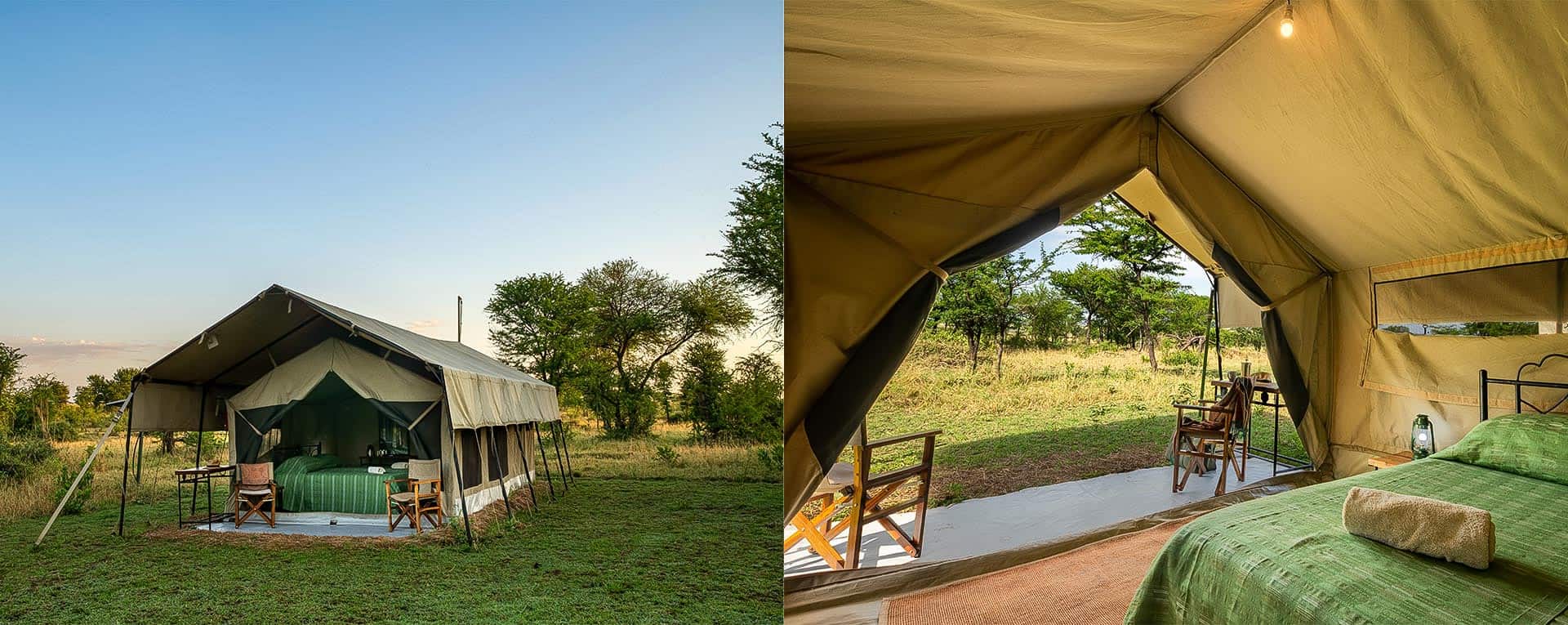
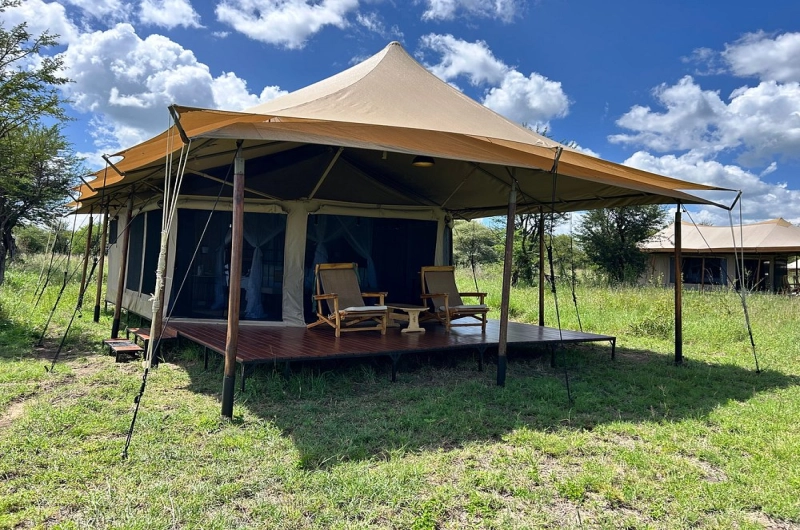
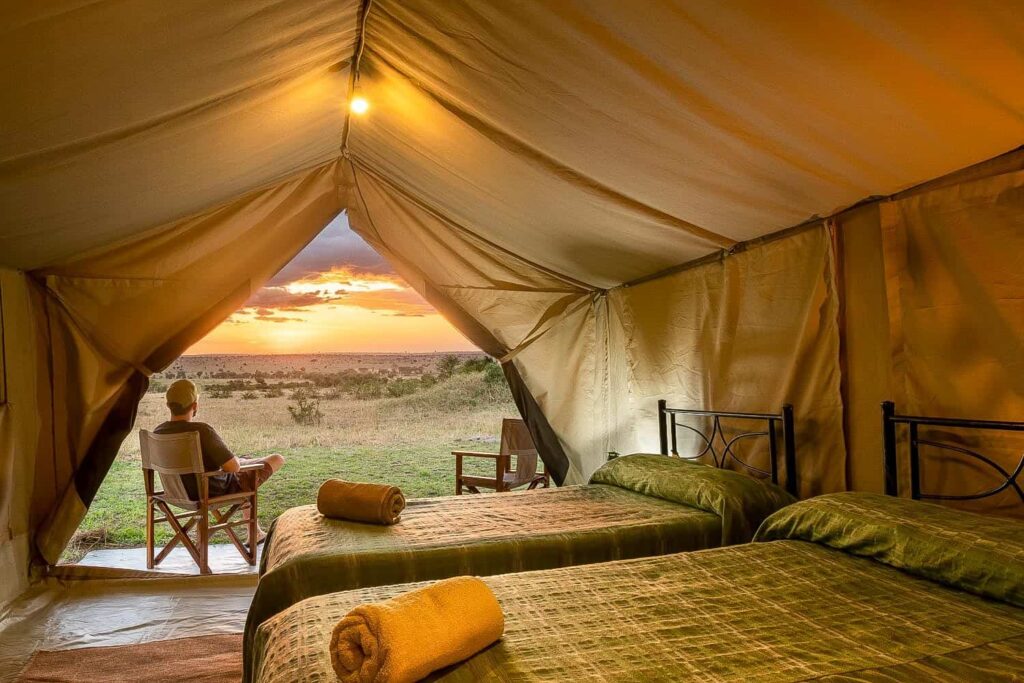
Where to stay in Serengeti depends entirely on when you visit and what you want to see. The best Serengeti accommodation ranges from ultra-luxury lodges (USD 600–2,500/night) to mid-range tented camps (USD 250–600/night) to mobile migration camps (USD 400–900/night) that physically follow the wildebeest herds. For the Great Migration, your location is everything: Ndutu (Jan–Mar) for calving, Grumeti/Western (May–Jun) for river crossings, Northern Serengeti (Jul–Oct) for Mara River crossings, and Central Serengeti/Seronera (year-round) for consistent Big Five sightings.
Accommodation Types in Serengeti
| Type | Price/Night (Per Person) | Best For | Migration Access | Includes |
|---|---|---|---|---|
| Ultra-Luxury Lodges | USD 900–2,500+ | Premium comfort, exclusivity | High (prime locations) | Private suite, fine dining, private guide |
| Luxury Lodges | USD 400–800 | Comfort + great wildlife | High | En-suite room, all meals, game drives |
| Mid-Range Tented Camps | USD 250–600 | Value + authentic experience | Moderate–High | Comfortable tent, shared vehicle, all meals |
| Mobile Migration Camps | USD 400–900 | Following the herds | HIGHEST | Tented camp, guided drives, moves with migration |
| Budget Safari Stays | USD 150–250 | Backpackers, budget travelers | Low–Moderate | Basic tent/room, shared facilities |
Best Serengeti Lodges & Camps BY MIGRATION ZONE
ZONE 1: Southern Serengeti (Ndutu) — Calving Season (January – March)
What to expect: 500,000+ wildebeest calves born in 3 weeks. Predators feast on newborns. African wild dogs are most active here.
| Lodge/Camp | Type | Price/Night | Highlights | Best For |
|---|---|---|---|---|
| Ndutu Safari Lodge | Mid-range tented | USD 300–500 | On the calving grounds | Budget calving experience |
| Lake Masek Tented Camp | Mid-range | USD 400–600 | Authentic, classic safari | Couples, photographers |
| Ndutu Serena Safari Lodge | Luxury | USD 700–1,200 | Premium calving views | Luxury + migration |
| Olakira Camp | Luxury mobile | USD 800–1,500 | Moves with calving herds | Ultimate wildlife access |
| Asilia Africa Ndutu | Luxury | USD 900–1,800 | Exclusive, private | High-end travelers |
Best Ndutu lodges for calving season (Jan–Mar): Ndutu Safari Lodge (300–500),LakeMasek(400–600), Ndutu Serena (700–1,200),OlakiraCamp(800–1,500). Staying in Ndutu gives the highest chance of seeing newborn wildebeest and predator kills.
ZONE 2: Central Serengeti (Seronera) — Year-Round Base
What to expect: Highest wildlife density year-round. Big Five almost guaranteed. Best all-season base camp.
| Lodge/Camp | Type | Price/Night | Highlights | Best For |
|---|---|---|---|---|
| Seronera Wildlife Lodge | Mid-luxury | USD 500–900 | Central location, Big Five | Best all-round base |
| Kubu Kubu Luxury Camp | Luxury | USD 800–1,500 | Hilltop views, exclusive | Luxury year-round |
| Four Seasons Serengeti | Ultra-luxury | USD 1,500–2,500+ | World-class, private | Ultra-premium travelers |
| Serengeti Serena Lodge | Luxury | USD 600–1,000 | Iconic, reliable | Families, groups |
| Singita Grumeti (nearby) | Ultra-luxury | USD 2,000–3,500+ | Exclusive concession | Once-in-a-lifetime |
Best Central Serengeti (Seronera) lodges year-round: Seronera Wildlife Lodge (500–900),KubuKubu(800–1,500), Four Seasons (1,500–2,500+),SerengetiSerena(600–1,000). Central Serengeti offers the best value for year-round Big Five sightings.
ZONE 3: Western Serengeti (Grumeti) — River Crossings (May – July)
What to expect: The Grumeti River crossing — wildebeest face crocodile-infested waters. One of the most dramatic wildlife events on Earth.
| Lodge/Camp | Type | Price/Night | Highlights | Best For |
|---|---|---|---|---|
| Kirawira Camp | Luxury hilltop | USD 900–2,000 | Unbeatable river crossing views | THE crossing viewpoint |
| Mbalageti Lodge | Boutique luxury | USD 700–1,400 | Private, exclusive | Couples, photographers |
| Singita Grumeti River Lodge | Ultra-luxury | USD 2,000–3,500+ | Private concession, ultra-exclusive | Ultra-premium |
| Sasakwa Lodge | Luxury | 1500–2000 | Good value, solid views | Budget river crossing |
| Faru Faru Lodge | Luxury | 2000–3,000 | Hilltop, great views | Mid-luxury option |
Best Grumeti/Western Serengeti lodges for river crossings (May–Jul): Kirawira Camp (900–2,000,bestviews),Mbalageti(700–1,400), Singita Grumeti (2,000–3,500+),Sasakwa(350–600). Kirawira offers the #1 viewpoint for Grumeti River crossings.
ZONE 4: Northern Serengeti — Mara River Crossings (July – October)
What to expect: THE iconic Mara River crossing — 5,000–10,000 animals cross daily. This is what you came for.
| Lodge/Camp | Type | Price/Night | Highlights | Best For |
|---|---|---|---|---|
| Sayari Camp | High-end mobile | USD 1,000–2,500 | On the Mara River | THE crossing experience |
| Lamai Serengeti | Luxury mobile | USD 800–1,800 | Moves with herds | Flexible, premium |
| Mara River Camp | Iconic luxury | USD 1,200–3,000+ | Directly on the river | Once-in-a-lifetime |
| Northern Serengeti Lodge | Mid-range | USD 300–500 | Budget-friendly crossing access | Value seekers |
| Angata Migration Camp | Luxury mobile | USD 900–1,600 | Follows the migration | Authentic mobile experience |
Best Northern Serengeti lodges for Mara River crossings (Jul–Oct): Sayari Camp (1,000–2,500),MaraRiverCamp(1,200–3,000+), Lamai Serengeti (800–1,800),AngataMigrationCamp(900–1,600). Sayari and Mara River Camp are the closest to the crossing action.
WHY ACCOMMODATION LOCATION MATTERS FOR THE MIGRATION
This is the core insight that separates this page from generic travel blogs.
| If You Stay In… | Migration Access | Wildlife You’ll See | Crowd Level |
|---|---|---|---|
| Ndutu (South) | Calving herds RIGHT outside your door | Newborn wildebeest, cheetah kills, wild dogs | Low (Jan–Mar) |
| Seronera (Central) | Year-round resident wildlife | Big Five daily, leopards in trees | Moderate |
| Grumeti (West) | River crossing viewpoint | Grumeti crossing, hippos, crocodiles | Low (May–Jun) |
| North (Mara) | Mara River crossing action | THE crossing, massive herds, predators | High (Jul–Sep) |
Accommodation location determines migration access: Ndutu (Jan–Mar) for calving, Grumeti (May–Jun) for river crossings, Northern Serengeti (Jul–Oct) for Mara River crossing, Seronera (year-round) for Big Five. Staying inside the migration zone costs more but gives the best wildlife access.
What’s Included in Most Serengeti Lodges
| Included | Budget | Mid-Range | Luxury | Ultra-Luxury |
|---|---|---|---|---|
| Accommodation | ✅ | ✅ | ✅ | ✅ |
| Meals (Full-board) | ✅ Communal | ✅ Communal | ✅ Private dining | ✅ Private + butler |
| Game Drives | Shared | ✅ Private vehicle | ✅ Private vehicle | ✅ Private + night drives |
| Professional Guide | ✅ Shared | ✅ Private | ✅ Private + tracker | |
| Laundry | ✅ | ✅ | ✅ | |
| Airport Transfer | ✅ | ✅ Private | ||
| Premium Drinks | ✅ | ✅ Unlimited | ||
| Photography Guide | ✅ |
How Long Should You Stay for a Serengeti Wildebeest Migration Safari?
The ideal Serengeti wildebeest migration safari lasts 5–7 days, but the best duration depends entirely on what you want to see. For calving season (Jan–Mar), 5 days in Ndutu is enough. For the full migration experience including river crossings, you need 7–10 days covering Ndutu → Seronera → Grumeti → Northern Serengeti. A 3-day budget safari works for a quick Big Five fix but will miss the iconic river crossings. Most expert safari operators recommend minimum 5 days, ideal 7 days for the best migration experience.
How Long You NEED to Stay (By What You Want to See)
This is the single most important decision for your safari. Get this wrong and you’ll miss the main event.
| Duration | Best For | What You’ll See | Migration Access | Crowd Level |
|---|---|---|---|---|
| 3 Days | Quick Big Five fix | Lions, elephants, buffalo in Seronera | Misses river crossings | Moderate |
| 4 Days | Budget calving peek | Some calving + predators in Ndutu | Partial calving access | Low |
| 5 Days | FIRST-TIMERS (Recommended Minimum) | Calving OR river crossings (not both) | Good | Moderate |
| 6 Days | BALANCED (Most Popular) | Calving + Seronera Big Five | Very Good | Moderate |
| 7 Days | IDEAL (Expert Recommended) | Full migration: calving + Grumeti + Mara River | Best | High (Jul–Oct) |
| 10 Days | ULTIMATE PHOTOGRAPHY | Entire migration cycle tracked | Perfect | Peak |
| 14+ Days | ONCE-IN-A-LIFETIME | Complete cycle + off-beat experiences | + Beyond perfect | Low (shoulder season) |
Frequently Asked Questions: How Long to Stay in Serengeti for Migration
How many days do you need for Serengeti migration?
Minimum 5 days, ideal 7 days, ultimate 10+ days. 3 days only covers Big Five in Seronera (misses river crossings). 5 days covers calving OR river crossings. 7 days covers the full migration with at least 1 river crossing. 10+ days tracks the entire cycle.
Is 3 days enough for Serengeti?
3 days is enough for a quick Big Five safari in Seronera, but you will miss the iconic river crossings and calving season. It’s fine for first-timers with limited time, but most travelers regret not staying longer. Budget: USD 1,500/person.
Is 7 days too long for Serengeti?
No — 7 days is the EXPERT-RECOMMENDED duration. It covers Ndutu (calving), Seronera (Big Five), and Grumeti/North (river crossings). It’s the sweet spot for wildlife coverage (~90%), cost-per-day value, and special experiences (balloon, walking safari).
How long for wildebeest calving season?
5 days in Ndutu (January–March) is enough to see the calving season. 500,000+ calves are born in 3 weeks. For the best calving experience, stay in Ndutu from late January to mid-February. Budget: USD 1,900–3,000/person.
How long for river crossings?
7 days minimum to catch at least 1 river crossing. Grumeti River crossing: May–June (stay in Western Serengeti). Mara River crossing: July–October (stay in Northern Serengeti). 10 days guarantees you’ll catch at least one.
Serengeti or Maasai Mara — which needs more days?
Serengeti needs more days (7–10) because it’s 9.8x larger and you need to chase the migration. Maasai Mara needs fewer days (3–5) because wildlife is concentrated and you can fly in, see the crossings, and fly out. For the full migration experience, choose Serengeti.
What’s the cheapest duration for Serengeti migration?
5 days is the cheapest duration that still gives migration access (USD 1,900–3,000/person). 3 days is cheaper (USD 1,500) but misses the migration. Travel in shoulder season (Nov–Dec or Apr–May) for 30–50% savings.
Can I do Serengeti and Maasai Mara in one trip?
Yes — 10–14 days is ideal. Spend 7 days in Serengeti (Ndutu → Seronera → North) and 3–5 days in Maasai Mara (river crossings). This gives you 80% of migration in Serengeti + the iconic Mara River crossing. Budget: USD 7,000–15,000+/person.
3 Main Serengeti Migration Location: Ndutu, Seronera, and the Western Corridor
The Serengeti National Park is a vast and diverse ecosystem, offering unique safari experiences in different regions. Whether you’re drawn to the Great Migration, predator sightings, or dramatic river crossings, understanding the key characteristics of the Ndutu, Seronera, and Western Corridor areas will help you plan the perfect safari. Here’s a detailed comparison of these three iconic safari areas.
Southeastern Serengeti, close to the Ngorongoro Conservation Area
December to April: Calving season of the Great Migration.
Great Migration Calving: Over 400,000 wildebeest calves are born. Predator Action: Lions, cheetahs, and hyenas are highly active.
Intense predator-prey interactions during calving. Large herds of wildebeest, zebras, and gazelles.
Open grasslands with seasonal lakes (Lake Ndutu and Lake Masek). Acacia woodlands.
Easy access from Ngorongoro and Arusha. Seasonal tented camps.
Moderate to high during the calving season.
Calving season spectacle: Predators converge for newborns.
Seasonal tented camps.
Best for witnessing the calving season (December-April). Excellent for big cat sightings. Quieter during off-season months.
Western Serengeti, extending towards Lake Victoria.
May to July: Great Migration river crossings at the Grumeti River.
Grumeti River Crossings: Dramatic and perilous crossings with Nile crocodiles. Resident wildlife, including elephants, giraffes, and hippos.
Dramatic river crossings during the migration. Abundant lions, leopards, and hyenas.
Riverine forests, rolling hills, and the Grumeti and Mbalageti rivers.
More remote, with fewer lodges. Private reserves like Grumeti Reserves offer exclusive experiences.
Less crowded compared to Seronera, except during migration river crossings.
Grumeti River crossings: Home to some of the largest Nile crocodiles in Africa. Exclusive experiences: Walking safaris and night drives in private reserves.
Fewer lodges, with a focus on luxury in private concessions.
Best during May to July for river crossings. Remote and exclusive safari experience. Opportunities for walking safaris and night drives.
Central Serengeti.
Year-round, with peak wildlife viewing from March to May.
Predator Capital of the World: High concentrations of lions, leopards, and cheetahs. Diverse wildlife, including elephants, giraffes, and buffalo
Guaranteed sightings of big cats. Year-round wildlife action.
Rolling plains, rivers (Seronera River), and kopjes (rock outcrops).
Well-developed infrastructure with many lodges and camps. Easily accessible from Seronera Airstrip.
High visitor traffic, especially during peak months.
Predator capital of the world: Guaranteed sightings of lions, leopards, and cheetahs.
Wide range of lodges and camps, from budget to luxury.
Best during May to July for river crossings. Remote and exclusive safari experience. Opportunities for walking safaris and night drives.
How to Get to Serengeti National Park
The Serengeti National Park is one of the most iconic safari destinations in the world, but getting there requires some planning. Whether you prefer flying or driving, there are several ways to access the park, each offering a unique experience. Here’s a detailed guide to help you choose the best route to the Serengeti.
1. Flying to Serengeti National Park
Flying is the quickest and most convenient way to reach the Serengeti. Several airstrips serve different regions of the park, allowing you to land close to your lodge or camp.
Key Airstrips in Serengeti
| Airstrip | Location | Best For |
| Seronera Airstrip | Central Serengeti | Accessing Seronera lodges and the central plains. Ideal for big cat sightings. |
| Kogatende Airstrip | Northern Serengeti | Witnessing the Mara River crossings during the Great Migration. |
| Lamai Airstrip | Northern Serengeti | Staying in the remote Lamai Wedge area. Fewer crowds, excellent game viewing. |
| Ndutu Airstrip | Southeastern Serengeti | Visiting during the calving season (December-March). Predator action. |
| Grumeti Airstrip | Western Corridor | Accessing lodges near the Grumeti River. Great for river crossings. |
| Kirawira Airstrip | Western Corridor | Luxury lodges in the Western Corridor. Intimate safari experience. |
Airlines Serving Serengeti
- Coastal Aviation: Offers daily flights from Arusha and Kilimanjaro International Airport.
- Grumeti Air: Provides charter flights to various airstrips in the Serengeti.
Pros of Flying
- Quick and Convenient: Reduces travel time significantly.
- Scenic Views: Enjoy breathtaking aerial views of the Serengeti landscape.
- Direct Access: Land close to your lodge or camp.
2. Driving to Serengeti National Park
Driving to the Serengeti offers an adventurous and immersive experience, allowing you to explore Tanzania’s countryside and other national parks along the way.
From Arusha
- Distance: Approximately 200 miles (320 km).
- Travel Time: 8-10 hours.
- Route: Pass through the Ngorongoro Conservation Area, with optional stops at Ngorongoro Crater or Lake Manyara.
Accessing Serengeti via Different Gates
| Gate | Location | Best For |
| Naabi Hill Gate | Southern Serengeti | Main entrance for those coming from Arusha or Ngorongoro. |
| Ndabaka Gate | Western Corridor | Access from Mwanza (1.5 hours). Scenic drive through local villages. |
| Klein’s Gate | Northeastern Serengeti | Remote access to the Lobo area. Fewer crowds. |
| Bologonja Gate | Northern Serengeti | Near the Kenya border. Rugged, off-the-beaten-path routes. |
Road Conditions
- Dry Season (June-October): Roads are smoother but dusty.
- Wet Season (March-May, November): Roads can be muddy and challenging. A 4×4 vehicle is mandatory.
3. Combining Flights and Drives
Many travelers opt for a combination of flying and driving to maximize their experience. For example:
- Fly into Seronera Airstrip: Explore the central Serengeti.
- Drive to Northern Serengeti: Witness the Mara River crossings.
4. International Flights
Most visitors fly into Kilimanjaro International Airport (JRO) or Arusha Airport (ARK). From there, you can take a domestic flight or drive to the Serengeti.
Airlines Serving Kilimanjaro and Arusha
- KLM, Turkish Airlines, and other international carriers offer daily flights.
Photography Tips for the Wildebeest Migration
- Best Spots: Mara River crossings, Ndutu Plains during calving season.
- Gear: Use a 100-400mm zoom lens for wildlife shots and a tripod for stability.
- Timing: Early mornings and late afternoons offer the best lighting for photography.
Tips for Choosing the Right Wildebeest Migration Safari and Accommodation
- Book Early: Lodges and camps fill up quickly during peak migration months (July-October). Secure your spot at least 6-12 months in advance.
- Consider Mobile Camps: These offer the best chance to stay close to the herds as they move.
- Choose Based on Season: Match your travel dates with the migration phase you want to witness (e.g., Wildebeest Migration calving season in Dec-Apr or Wildebeest Migration Mara river crossings in Jul-Aug).
- Hire a Knowledgeable Guide: A good guide can enhance your experience by tracking the herds and providing insights into the ecosystem.
Book a Serengeti Wildebeest Migration Safari in Tanzania
Experience the iconic Serengeti Wildebeest Migration, one of nature’s greatest spectacles, in Tanzania’s Serengeti National Park. Witness thousands of wildebeest and zebras crossing the Mara River, explore diverse wildlife-rich regions like the Central and Northern Serengeti, and enjoy activities like game drives, hot air balloon safaris, and cultural interactions. Plan your Serengeti safari with expert operators, tailor your itinerary, and prepare for an unforgettable adventure in the heart of Africa’s wild beauty.
Frequently Asked Questions About Serengeti National Park
Where is Serengeti National Park located?
Serengeti National Park is located in northern Tanzania, East Africa, approximately 130 km west of Arusha. It borders Kenya’s Maasai Mara National Reserve to the north and is part of the larger Serengeti-Mara ecosystem. GPS coordinates: 2.3333° S, 34.8333° E.
What is the Great Migration in Serengeti?
The Great Migration is the largest animal movement on Earth, where over 1.5 million wildebeest and 300,000 zebras travel 1,800 miles in a circular route through Serengeti National Park and Maasai Mara. The migration follows rainfall patterns and includes river crossings, calving, and predator-prey cycles.
When is the best time to visit Serengeti National Park?
The best time to visit Serengeti is June to October (dry season) for the Great Migration river crossings and Big Five sightings. January to March is ideal for calving season and predator action. The green season (April–May) offers fewer crowds and lower prices.
How big is Serengeti National Park?
Serengeti National Park covers 14,763 km² (5,700 square miles), making it Tanzania’s largest national park and one of Africa’s biggest protected areas. It is roughly the size of Northern Ireland or Connecticut.
What animals are in Serengeti National Park?
Serengeti has over 70 large mammal species including the Big Five (lion, elephant, buffalo, leopard, rhino), 1.5 million wildebeest, 300,000 zebras, giraffe, hippo, crocodile, cheetah, hyena, and African wild dog. There are also 500+ bird species.
Is Serengeti better than Maasai Mara?
Serengeti is larger (14,763 km² vs 1,510 km²), less crowded, and offers off-road game drives. Maasai Mara has higher wildlife density and is better for river crossings (July–Oct). Many safaris combine both parks for the full migration experience.
How much does a Serengeti safari cost?
A 3-day Serengeti safari costs USD 2,000 per person (mid-range). Luxury lodges run USD 800–2,500+ per night. Park fees are $82.50 per adult per day (non-resident).
Can you see the Big Five in Serengeti?
Yes. Serengeti is one of the best places in Africa to see all Big Five animals. Lions and leopards are common in Seronera. Elephants gather near rivers in dry season. Buffalo are everywhere. Black rhinos are rare but found near the Ngorongoro border.